
Connected Murihiku Update
Connected Murihiku: Celebrating a Community‑Led Legacy and a New Chapter for Capability Building
Over the past three years, Connected Murihiku has become a source of connection, insight, and practical support for the community and social sector across our region. Born from Just Transition (potential Tiwai Closure programme) conversations in 2022 and shaped by the voices and needs of our communities, Connected Murihiku set out to strengthen the capability, visibility, and cohesion of the sector in Murihiku. Today, we celebrate what this initiative has achieved and share the next step on its journey.
A Kaupapa built from community voices
Connected Murihiku emerged during a period of change, when sector leaders, Rūnaka, Councils, and grassroots groups identified a clear need: stronger connection between organisations, more accessible information, and coordinated capability support across Murihiku. With establishment funding through MBIE in early 2023, and with Invercargill City Council providing governance support, the initiative quickly became a central connector for the region.
From the outset, the Kaupapa was simple yet powerful: listen deeply, connect widely, and respond practically.
Impact that strengthened the whole system
Guided by this approach, Connected Murihiku delivered across four core focus areas—engagement, visibility, insights & advocacy, and capability building. The results speak for themselves:
More than 150 hui, workshops, and sector engagements across Invercargill, Gore, Winton, Te Anau, and Fiordland, ensuring even the smallest community groups had a voice and access to support.
A regional website and newsletter, reaching more than 260 subscribers and attracting over 500 monthly users seeking governance guidance, volunteer resources, local stories, and more.
Sector hui in 2024 and 2025, surfacing what was really impacting the sector and what changes would help.
Practical capability initiatives—from governance, H&S, and volunteer‑coordinator workshops to region‑wide access to GEM Local—giving organisations tools they could use immediately.
Local advocacy and insights, helping funders, councils, and national agencies better understand the pressures facing our sector and the opportunities to strengthen it.
At the heart of the work was a dedicated project Lead, Becs Amundsen, who sat with community groups in their halls and meeting rooms, listened to their realities, championed their needs, and ensured information flowed across the system. This grassroots, relationship‑first approach is one of Connected Murihiku greatest legacies.
A trusted platform
Connected Murihiku leaves behind more than a body of work it leaves behind stronger relationships, shared tools, sector insights, and a clearer picture of what capability support should look like in Murihiku.
Transitioning to a new home
While connection is an important part of capability building, it is not the whole picture. This initiative highlighted that it is essential for community organisations to know where to go, who to talk to, and how to access the right support. When this happens, our entire community ecosystem becomes stronger, more resilient, and better equipped to serve whānau.
As of 20 March 2026, Connected Murihiku has completed its intended Kaupapa. With the establishment phase complete and the sector’s needs now clearer, the work of sector capability building will transition to Community Trust South, ensuring continuity of support and long‑term sustainability.
This is not an ending; it is an evolution.
Community Trust South has been a partner to Connected Murihiku from the beginning and is well placed to carry forward the insights, relationships, and tools developed through this initiative. The Trust will take up the capability‑building mantle, guided by the learnings, community voice, and strong foundation Connected Murihiku has created.
With gratitude
Connected Murihiku was possible because of the collective commitment of many:
· Becs Amundsen – Project Lead
Community organisations across Murihiku who shared openly and generously
The Connected Murihiku Joint Committee and governance partners
Invercargill City Council for contract‑holding and early support
Network convenors, national partners, Rūnaka, funders, and volunteers who gave time, expertise, and local knowledge
Everyone who engaged, attended hui, tested tools, read newsletters, or helped shape the Kaupapa along the way
These contributions ensured that Connected Murihiku remained grounded in community reality and focused on what truly mattered.
A legacy to be proud of
Connected Murihiku has shown what is possible when connection, collaboration, and community voice lead the way. Its legacy will live on through the sector’s strengthened relationships, increased confidence, regional capability tools, and the ongoing commitment of Community Trust South to building a resilient, connected, and thriving Murihiku.
Connected Murihiku is a community-led initiative that supports and empowers social and community organisations in Murihiku. The project, led by Becs Amundsen and driven by a committee, builds connections and fosters collaboration to support the work of the community sector to ensure our community gets the best out of the different groups working so hard in Murihiku.
Connected Murihiku was designed in response to feedback gathered for the Just Transitions process via engagement with the Community Capability work stream, known as Strong Communities Murihiku. The initiative was initially funded by the Ministry of Business, Innovation & Employment and supported by councils and funders.
From late 2023, guided by a joint committee of representatives from three Councils, Rūnaka and Rūnanga, and community representatives, the goal of Connected Murihiku was to discover the needs of community organisations and to define their objectives. This was realised through fact finding; surveys, hui, regional visits and attending many, many meetings.
In November 2024 the joint committee wrapped up, with work continuing under the guidance of an informal group of 7 advisors who continue to drive the next phase of Connected Murihiku’s work in considering funding portals, organising relevant and beneficial training opportunities and other, tangible outcomes.
As this work continues, focus is also shifting to enable Connected Murihiku to stand on its own as a community-led organisation with its own governance structure. The advisory group has invited others to join who have a background in network organisations who already have deep reach within the community and work with other, similar groups. This temporary committee will work to discover how Connected Murihiku would operate as a community-led organisation and to develop this process with a view to having a plan in place by August 2025.
About Connected Murihiku
Project Lead
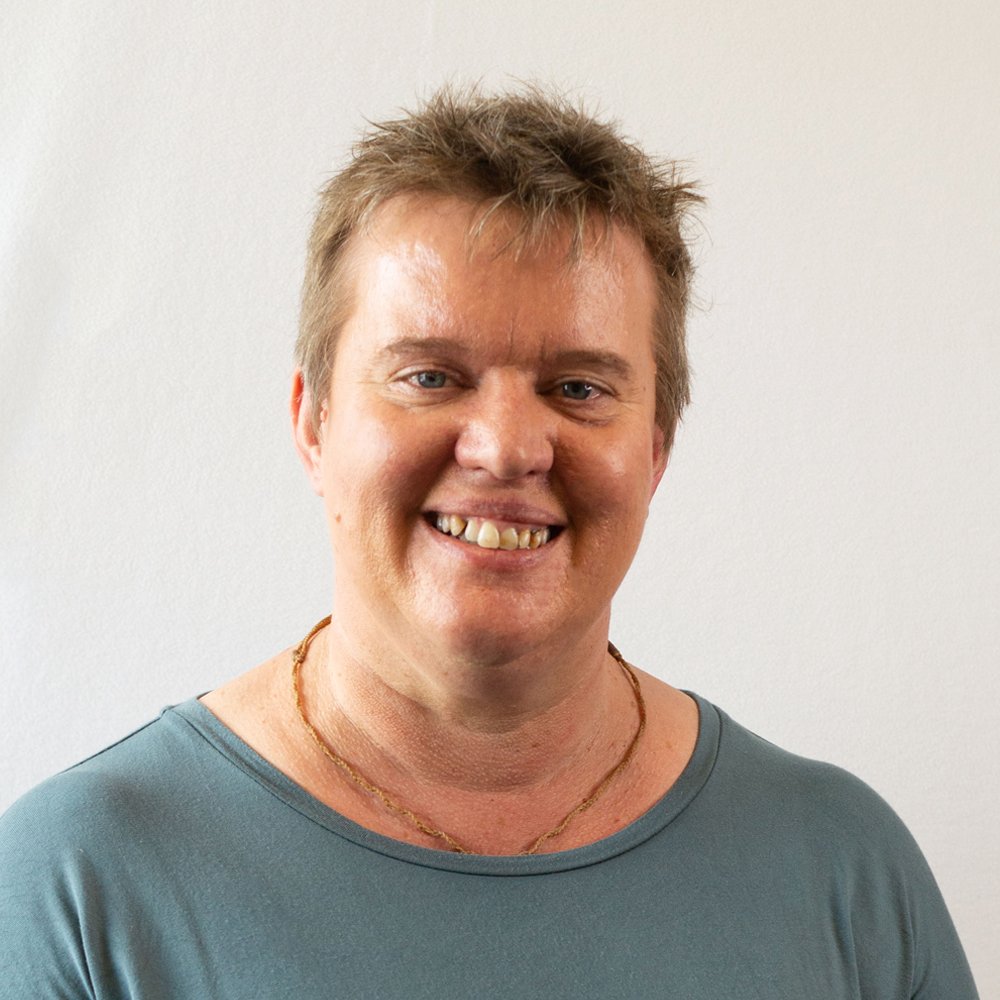
Becs Amundsen
-
Becs Amundsen is a community leader with a proven track record of serving the community. Their journey began 15 years ago when they first became involved in a grassroots initiative where they were able to learn about community-led development. Through this experience Becs learnt first hand the power of community and the opportunity that comes from walking alongside community.
This led to developing expertise in community engagement and an understanding of the value of fostering connections. Becs has spent many years in governance roles in both the not for profit sector and local government (nine years as a city councillor). They are passionate about making a difference and taking action. Becs is a big picture, strategic thinker with natural leadership skills.
Their strength lies in using this skillset and experience to connect people, identify and bridge gaps across community, and seeing opportunities. Whether through organising meetings, leading volunteer efforts, or collaborating, Becs is committed to building strong and resilient communities and uses their unique skill set for this purpose.
With a deep understanding of the needs and aspirations of the community and social sector in Murihiku, Becs is excited to be supporting positive change, fostering collaboration and empowering individuals and organisations to achieve the best results for their communities through the role of Project Lead for Connected Murihiku.
For fun Becs is an enthusiastic (sometimes obsessed) genealogist and enjoys getting out into the bush or travelling around in a house bus.
Our Oversight Committee
The Committee is chaired by Pania Coote, she represents Te Rūnaka o Awarua.
The other committee members are Steve Broad, Sarah Greaney, Paul McPhail, Jess Domigan, Stacy Hughes, Robyn Morris, Wendy Findlay, Meg Adamson, Jared Cappie, Guillaume Willemse, Judith McInerney, Dawn Brocks.


To support and harness the collective power of social and community organisations in Murihiku.
Our Mission
FAQs
-
The Government has cemented its commitment to securing a bright economic future for Southland by launching an economic roadmap for the region as it navigates the impending closure of the New Zealand Aluminium Smelter.
MBIE’s Partnership Just Transition team has been collaborating with the region since early 2021 to support a just transition following the announcement that the owners of the smelter plan to close it at the end of 2024.
This collaboration has resulted in the release of a Just Transitions Work Plan aimed at building the region’s economic, environmental, and social resilience through and beyond the smelter’s planned closure. This transition presents the region with an opportunity to build a fairer, more sustainable, and more resilient local economy.
Connected Murihiku is the outcome of the community capacity-building workstream, facilitated by the Strong Communities Working Group.
-
The Strong Communities Working Group was established to manage the Community Connections workstream of the Just Transition program. The group consisted of the following members: Rebecca Amundsen, Tammi Topi, Pauline Smith, Gary Tong, Anne Pullar and Jackie Flutey.
The group’s purpose was to facilitate a locally-led, future-focused process within our community, aimed at exploring opportunities for a thriving and sustainable future in Murihiku, Southland. Through a community engagement process, feedback was collected and used as the foundation for the Connected Murihiku project.
-
Connected Murihiku supports the entire Southland region, including the areas governed by the Gore District Council, Invercargill City Council and Southland District Council.
-
The Invercargill City Council is supporting the project by managing the Central Government funding and providing administrative support for the Joint Committee.
-
This committee will bring together the strengths of representatives from Invercargill City Council, Southland District Council, Gore District Council, Murihiku Papatipu Rūnanga and the community.
-
Initially, the committee will be established for a period of 18 months, focusing on recruiting key roles and supporting the platform development and launch period. At the end of this term, the Joint Committee will re-evaluate and consider an extension if required.